How to Negotiate Bulk Custom Wristband Prices: 10 Proven Strategies to Save Big
Negotiating bulk orders of custom wristbands can deliver significant cost savings for event planners, fundraisers, and marketers. This guide explains ten proven strategies that enable the reader to secure lower unit prices while maintaining quality and brand integrity. By following these steps, one can turn a routine procurement process into a strategic advantage that stretches budgets and enhances event impact.
What You’ll Need
- Access to a reliable internet connection for supplier research.
- A clear specification document outlining design, material, size, and quantity.
- Sample wristbands to evaluate comfort, durability, and print quality.
- Budget spreadsheet to compare offers.
- Optional: WristCo Custom Tyvek Wristbands for sample testing.
Step 1: Conduct Thorough Supplier Research
Begin by compiling a list of reputable vendors that specialize in custom wristbands. Use industry forums, trade directories, and Amazon listings to identify suppliers with high ratings and consistent delivery performance. Prioritize sellers that demonstrate transparency in pricing tiers and offer flexible customization options. For example, the WristCo Custom Tyvek Wristbands boast a 4.7/5 rating from 1,562 reviews, indicating strong customer satisfaction.
When evaluating each supplier, record the following data points: base price per unit, minimum order quantity (MOQ), lead time, and any additional fees for artwork or rush production. Create a comparison matrix in a spreadsheet to visualize cost differentials across volume tiers. This systematic approach ensures that you have objective data to leverage during negotiations.
Step 2: Define Precise Requirements
Clarity in specifications reduces the likelihood of costly revisions. Draft a brief that includes wristband material (e.g., Tyvek, silicone), dimensions, color palette, and the exact text or logo placement. If you require tamper‑proof features, note that Tyvek bands incorporate a unique die‑cut closure that prevents reuse, a detail highlighted in the WristCo product description.
Providing a detailed brief also demonstrates professionalism to suppliers, which can encourage them to offer more favorable terms. Include visual mock‑ups in high resolution, as the Custom Silicone Wristbands require clear artwork to avoid printing errors. Mention any regulatory requirements such as hypoallergenic materials; both Tyvek and silicone options are latex‑free and skin‑safe.
Step 3: Request Formal Quotes
Contact each shortlisted vendor with your specification brief and request a written quote that breaks down unit cost, setup fees, and shipping. Ask for a price per unit at several volume thresholds (e.g., 100, 500, 1,000) to understand the discount curve. Suppliers often provide a lower price for larger commitments, but the exact slope varies by material and production method.
When requesting quotes, reference the product you are interested in by name. For silicone options, you might say, "I am interested in the Wanstay Custom Silicone Wristbands in 202 mm size with a debossed logo." This ensures the supplier returns a quote that matches the product’s capabilities, such as screen‑printing durability and five size options.
Step 4: Leverage Volume for Price Reductions
One of the most effective negotiation levers is volume commitment. Explain that you are prepared to place a larger order if the unit price meets a target figure. Suppliers often have tiered pricing models; by moving from a 100‑unit order to a 1,000‑unit order, you may achieve a 20‑30% reduction.
When discussing volume, reference the bulk pricing structure of the Rush Wristbands, which start at a base price for ten units and scale up to 1,000 units. This example illustrates how bulk discounts are built into the pricing model, providing a benchmark for your own negotiations.
Step 5: Compare Materials and Production Techniques
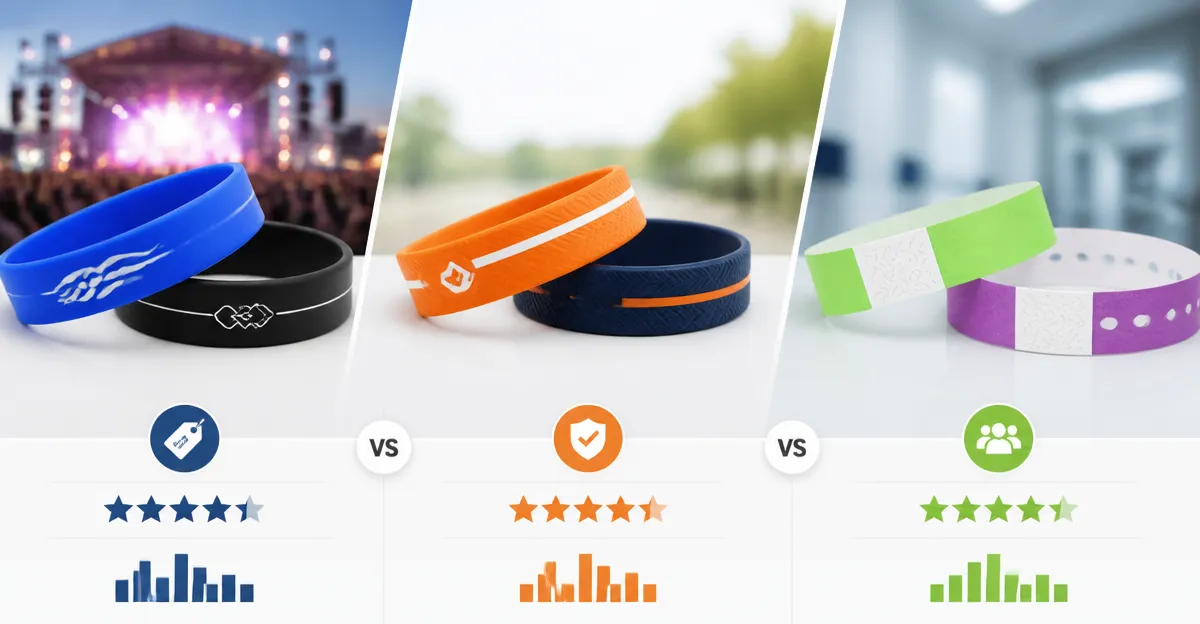
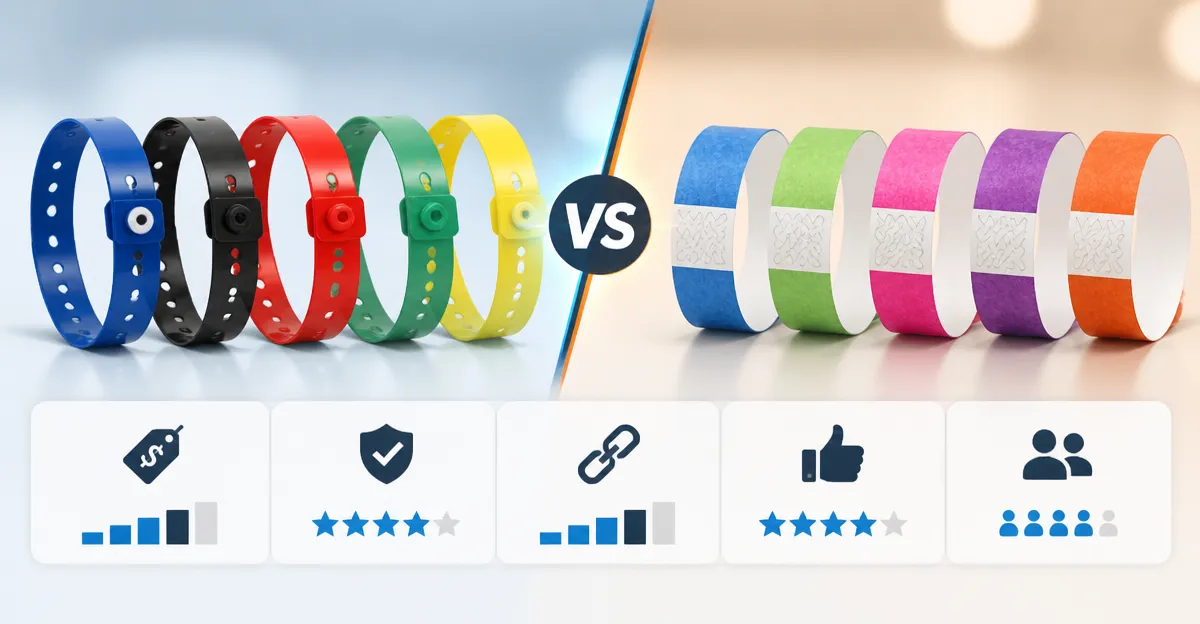
Material choice influences both cost and perceived value. Tyvek wristbands, such as those offered by WristCo, are lightweight, waterproof, and recyclable, making them ideal for large public events where durability and environmental impact matter. Their price point of $13.69 per batch (typically 100‑unit pack) reflects premium durability.
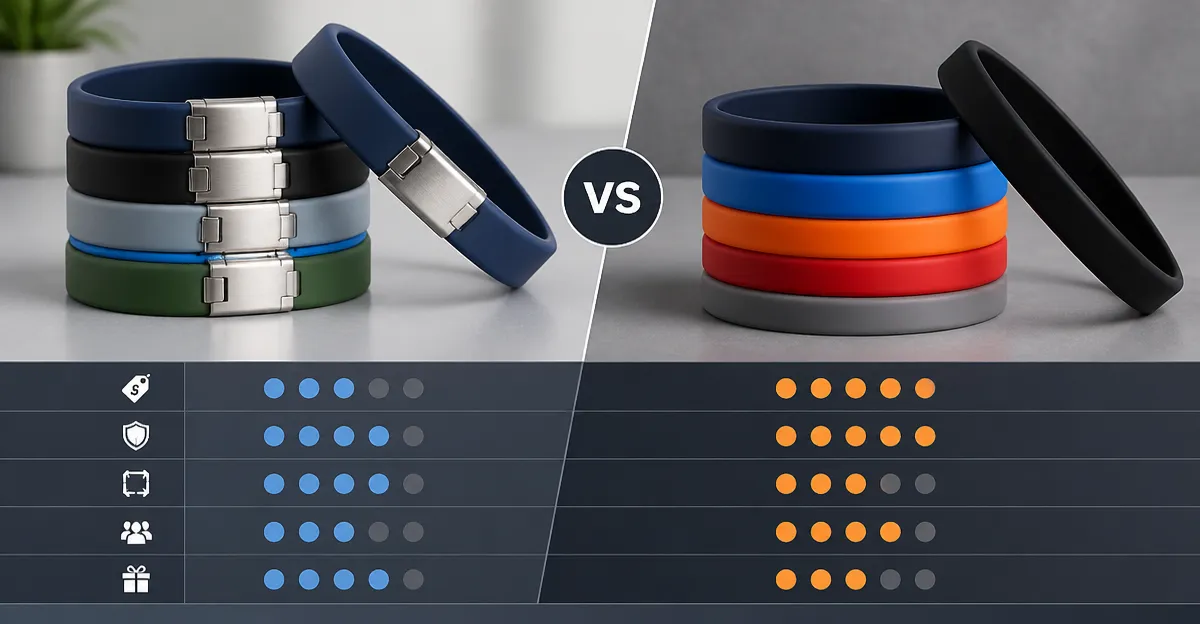
Silicone wristbands, like the Custom Silicone Wristbands priced at $4.59 per pack, provide vibrant color options and a soft, stretchable feel. Silicone is waterproof and sweat‑proof, which is advantageous for sports or outdoor festivals. When negotiating, highlight the material’s benefits to justify a higher price or to request a discount based on bulk usage.
Step 6: Order Samples Before Committing
Before finalizing a large purchase, obtain a small sample batch to assess quality. Order a low‑quantity pack of the preferred wristband style; the WristCo Custom Tyvek Wristbands are sold in flexible quantities, allowing you to test the die‑cut closure and print fidelity without a large upfront cost.
Evaluate the sample for comfort, color accuracy, and edge smoothness. Document any concerns and use this feedback as leverage in your price discussion. Suppliers often offer a discount on the first bulk order if the sample meets expectations, reinforcing the value of this step.
Step 7: Negotiate Payment and Delivery Terms
Beyond unit price, negotiate favorable payment schedules such as a 30% deposit with the balance due upon delivery. This reduces cash flow risk while still providing the supplier with working capital. Additionally, request a lead‑time guarantee; a 10‑day turnaround is standard for many vendors, but you may secure a faster schedule for a modest premium.
For high‑volume orders, consider a split‑shipment arrangement, where a portion of the order is delivered earlier at a discounted rate. This approach mirrors the flexibility seen in the Custom Silicone Bracelets, which offer multiple size options and a lifetime warranty, indicating a supplier confident in post‑sale support.
Step 8: Bundle Additional Services
Suppliers may be willing to include value‑added services such as free artwork proofing, custom packaging, or a small extra quantity of wristbands at no additional cost. When you request a bundle, specify the desired outcome, for example, "Include a custom poly‑bag with our logo for each 500‑unit case." Bundling can reduce overall spend by eliminating third‑party packaging costs.
The Rush Wristbands price includes a base quantity of ten units, but the option to increase to bulk levels allows you to negotiate a bundled discount for larger shipments. Use this flexibility to secure a more comprehensive package.
Step 9: Build a Long‑Term Supplier Relationship
Suppliers appreciate repeat business and may offer loyalty discounts after the first successful order. Communicate your intention to place future orders for upcoming events, and ask about tiered loyalty programs. A supplier that knows you will return is more likely to accommodate price reductions or faster turnaround times.
Maintain clear communication channels and provide timely feedback on each order. Positive reviews, such as the 4.8/5 rating for the Custom Silicone Bracelets, reinforce the supplier’s reputation and can be leveraged in future negotiations.
Step 10: Finalize the Contract and Document All Terms
Once you have agreed on price, volume, material, and ancillary services, draft a concise contract that outlines every term. Include clauses for quality assurance, defect handling, and a clear cancellation policy. Having a written agreement reduces misunderstandings and provides legal recourse if the supplier fails to meet expectations.
Before signing, review the contract with your legal team or a procurement specialist. Ensure that the contract references the exact product specifications, such as the 12 mm width and 2 mm thickness of the Wanstay Silicone Wristbands. A well‑structured agreement solidifies the negotiated savings and protects your organization.
Tips & Pro Tips
- Always request a price break sheet that lists discounts at each volume level.
- Leverage seasonal promotions; many vendors offer lower rates during off‑peak months.
- Use a third‑party quality inspection service for large orders to ensure compliance.
- Consider eco‑friendly certifications; they can be a differentiator in grant applications.
- Maintain a repository of all artwork files in vector format to avoid re‑creation costs.
Troubleshooting
Problem: Supplier provides a higher price than quoted.
Solution: Reference the original written quote, request a revised invoice, and remind the supplier of the agreed‑upon volume discount. If necessary, invoke the contract’s price‑lock clause.
Problem: Printed colors do not match the approved proof.
Solution: Use the sample batch to highlight the discrepancy, request a re‑print at no extra charge, and ensure future proofs are approved before production.
Conclusion
Negotiating bulk custom wristband prices requires preparation, clear communication, and strategic use of leverage points such as volume, material choice, and long‑term relationships. By following the ten steps outlined above, one can achieve substantial cost reductions while securing high‑quality products that enhance event branding and participant experience. Apply these strategies to future procurement cycles and watch your budgets stretch further.
Frequently Asked Questions
How can I negotiate a lower unit price for bulk custom wristbands?
Request volume discounts, compare multiple quotes, and ask for price breaks at higher quantities to leverage competition among suppliers.
What key specifications should I include in my bulk wristband order request?
Detail the design, material (e.g., silicone, Tyvek), size, color, quantity, and any special printing requirements.
How many wristband samples should I order before committing to a large bulk purchase?
Order 2–3 samples to evaluate comfort, durability, and print quality before finalizing the full order.
Which negotiation tactics are most effective with custom wristband vendors?
Use multiple vendor quotes, request price matching, negotiate flexible payment terms, and ask for bundled services like free shipping.
How can I maintain product quality while securing lower prices?
Set clear quality standards, request proof‑of‑concept or pre‑production samples, and include quality clauses in the contract.