Introduction
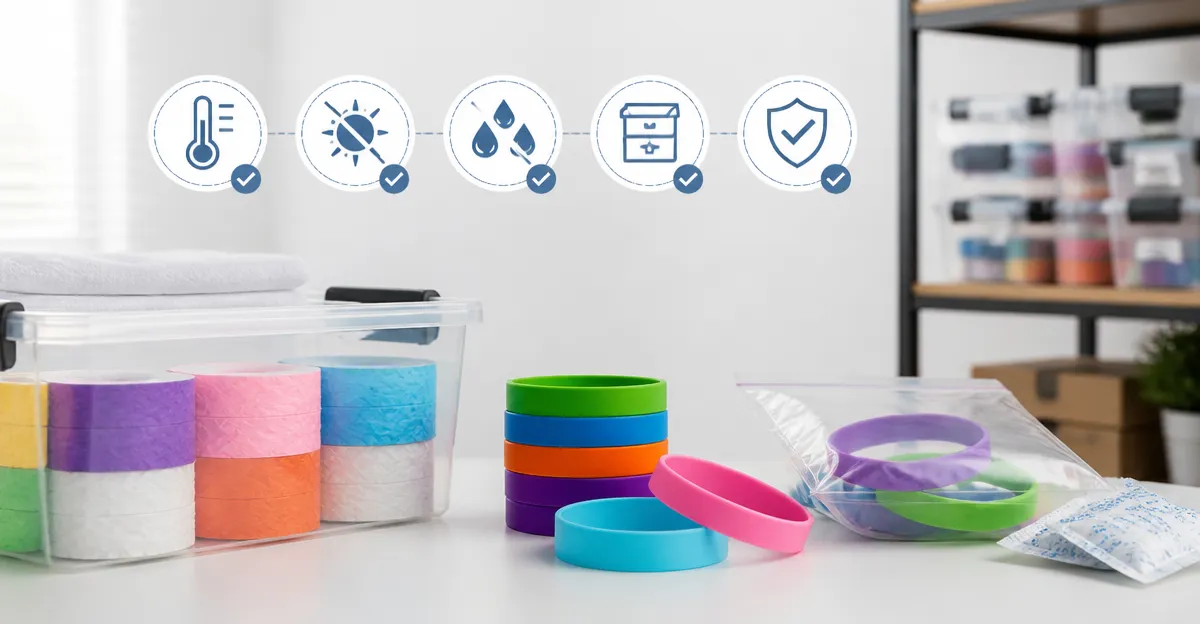
Proper storage of wristbands ensures they remain vibrant, tamper‑proof, and ready for the next event. This guide explains how to protect both Tyvek and silicone bands from moisture, sunlight, and physical damage, thereby extending their usable life. Readers will learn systematic sorting, climate‑controlled shelving, and documentation techniques that reduce waste and save money. By following these proven methods, event organizers, schools, and small business owners can maintain a professional appearance for every wristband they distribute.
What You'll Need
- WristCo Tyvek Wristbands (6‑Color Pack) – $8.88, 4.8/5 rating
- WristCo Tyvek Wristbands (5‑Color Pack) – $13.88, 4.8/5 rating
- WristCo Custom Tyvek Wristbands – $13.69, 4.7/5 rating
- Liliful Silicone Wristbands – $9.99, 4.8/5 rating
- WristCo Tyvek Wristbands (8‑Color Pack) – $21.78, 4.6/5 rating
- Heavy‑duty zip‑lock bags, shelving units, and a dry‑room thermometer (optional)
1. Prepare a Clean, Climate‑Controlled Storage Area
Begin by selecting a space that remains between 65°F and 75°F (18°C‑24°C) and maintains relative humidity below 60%. Extreme heat can cause Tyvek fibers to become brittle, while excess moisture may promote mildew on silicone bands. Using a small digital hygrometer helps monitor conditions. The chosen area should be free of direct sunlight, which can fade the vibrant colors of both Tyvek and silicone wristbands.
For businesses that already own climate‑controlled storage (such as a small office supply closet), simply ensure the shelves are cleared of dust. If the environment is prone to temperature fluctuations, consider a portable dehumidifier.
2. Sort Wristbands by Type, Color, and Event
Sorting creates an inventory that is easy to locate and reduces handling time during event setup. Use the WristCo Tyvek Wristbands (6‑Color Pack) as a reference for color coding. Their bright neon orange, green, and purple bands are ideal for visual separation. Separate Tyvek from silicone bands because each material requires distinct handling.
Place each color into individual zip‑lock bags labeled with the event name and date. For custom‑printed bands, keep them together with a note of the design theme to avoid accidental mixing.
3. Protect Bands from Physical Damage
Tyvek wristbands are lightweight but can be torn if stacked loosely. Store them flat in perforated trays or on cardboard sheets that match the 10‑band sheet format described in the product specifications. This method preserves the sequential numbering and prevents accidental tearing.
Silicone bands from Liliful Silicone Wristbands are more flexible and benefit from being stored in a loosely rolled configuration inside a breathable fabric bag. Rolling prevents creasing while allowing air circulation, which mitigates odor buildup over long periods.
4. Use Tamper‑Proof Features to Your Advantage
Both Tyvek and silicone bands feature tamper‑evident closures. When storing large quantities, keep the adhesive side protected with a thin sheet of parchment paper. This prevents accidental adhesion to other surfaces and maintains the integrity of the die‑cut security feature.
The WristCo Tyvek Wristbands (5‑Color Pack) include sequential numbering, which aids inventory audits. During quarterly checks, verify that numbers on stored sheets match the master inventory list. Any missing numbers may indicate loss or damage.
5. Implement a Labeling and Documentation System
Accurate documentation reduces the risk of misplaced bands. Create a simple spreadsheet with columns for product type, color, quantity, storage location, and expiration date (if applicable). Attach a printed QR code label to each storage bin; scanning the code can instantly retrieve the spreadsheet entry.
For custom wristbands, note the design file name and client details. This practice is especially valuable for event planners who reuse branding across multiple occasions.
6. Conduct Regular Inspections
Schedule monthly visual inspections. Look for signs of discoloration, adhesive degradation, or silicone cracking. If any band shows wear, remove it from inventory and replace it with a fresh batch.
During inspections, also verify that the storage environment remains within the recommended temperature and humidity range. Adjust dehumidifier settings as needed to keep conditions stable.
Tips & Pro Tips
- Use color as a cue. Assign a specific color to each event category (e.g., neon orange for volunteers, blue for VIPs). This reduces sorting time on the day of the event.
- Layer protection. Place a thin layer of acid‑free tissue paper between Tyvek sheets to prevent ink transfer from the fade‑resistant inks.
- Leverage silicone durability. Because silicone wristbands are waterproof, they can be stored in slightly more humid environments than Tyvek without damage.
- Recycle responsibly. Tyvek is a #2 recyclable material. When bands reach the end of their life, place them in a recycling bin labeled “HDPE – #2”.
Troubleshooting
- Problem: Adhesive on Tyvek becomes sticky in high humidity.
Solution: Transfer bands to a drier shelf, and insert a silica‑gel packet in each zip‑lock bag to absorb excess moisture. - Problem: Silicone bands develop a faint odor after months of storage.
Solution: Air‑out the rolled bundles for 24 hours in a well‑ventilated area; the odor typically dissipates.
Conclusion
By establishing a climate‑controlled storage area, sorting by color and type, protecting against physical damage, and maintaining meticulous documentation, one can significantly extend the shelf life of both Tyvek and silicone wristbands. Implementing these steps reduces waste, saves money, and ensures that every event presents a professional, cohesive appearance. Readers are encouraged to adopt this systematic approach and experience the long‑term benefits of organized wristband management.
Products Mentioned in This Guide
Frequently Asked Questions
How should I store Tyvek wristbands to prevent moisture damage?
Keep them in airtight containers with silica packets in a cool, dry area away from humidity.
What temperature range is ideal for silicone wristband storage?
Store silicone bands at 60‑75°F (15‑24°C) to preserve elasticity and color.
How can I protect wristbands from UV light exposure?
Use opaque, UV‑blocking bins or keep them in a dark cabinet away from direct sunlight.
What is the best way to organize large quantities of wristbands for events?
Sort by size and color, label each batch, and place them on climate‑controlled shelving with inventory logs.
How long can properly stored wristbands retain their quality?
When kept in optimal conditions, Tyvek and silicone wristbands stay vibrant and tamper‑proof for 12‑24 months.